Folding Phones
Over the past few years, I have been experimenting with folding smartphones. Specifically, the Samsung Galaxy Z Fold and, more recently, the Google Pixel Pro Fold.
When I first started using a folding smartphone, there were many compromises. The durability, size, weight and cost were all significant barriers to mainstream adoption.
This lack of adoption directly impacted the software ecosystem, which was not well optimised for devices with larger displays, further limiting the value proposition.
Thankfully, things have progressed, with almost every previous complaint now rectified to an acceptable level.
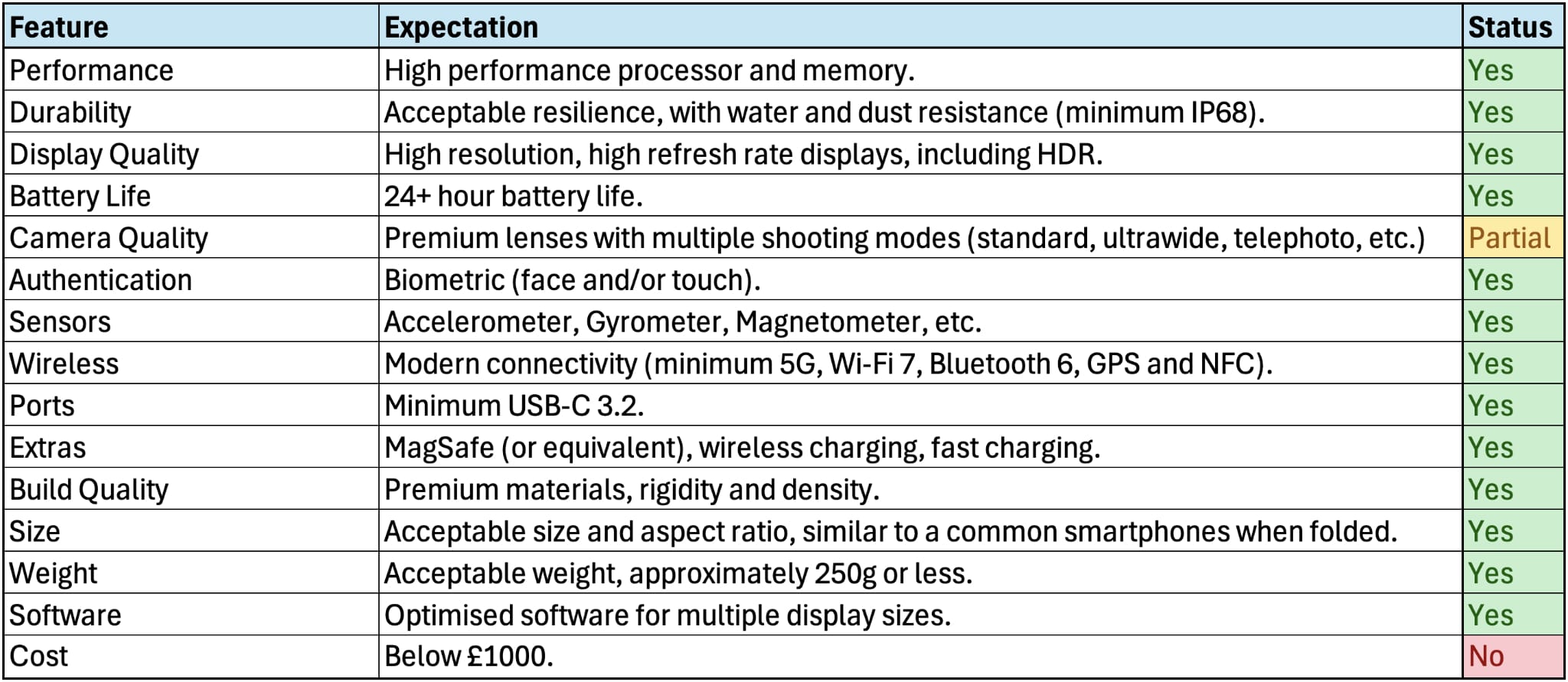
For example, the table below provides an overview of the core features found in a modern folding smartphone, highlighting the status (readiness for mainstream adoption, based on my own opinion).
In my opinion, the Google Pixel Pro Fold (versions 9 and 10) underscore the potential of a folding smartphone.
I have used both devices as my daily driver and can confirm that they combine excellent hardware with a native and well-optimised software experience (supported by “vanilla” Android).
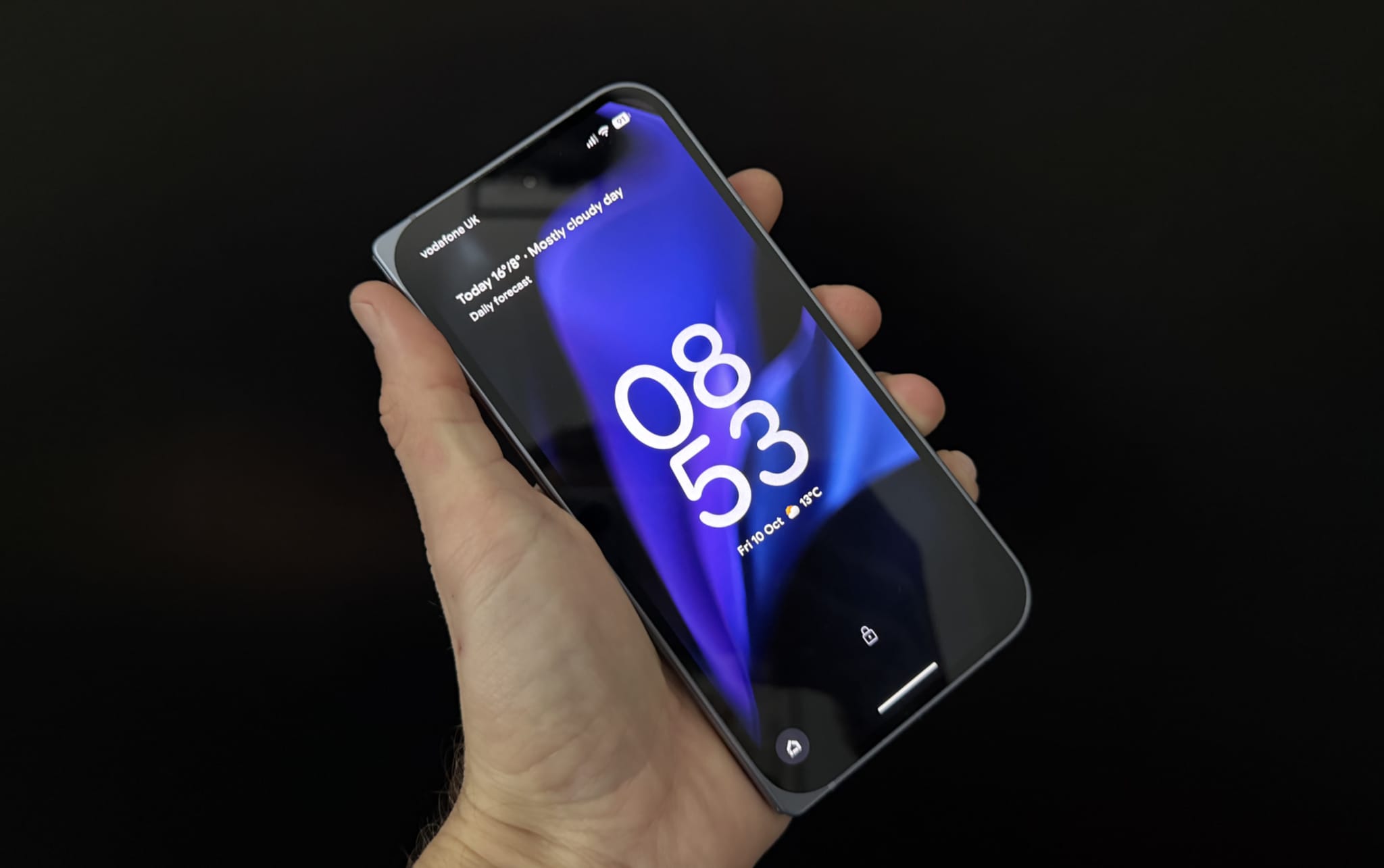
Although not specific to a folding smartphone, the integration of Google Gemini within Android has further enhanced the overall value proposition.
This is especially true when compared with the Apple iPhone, which feels like it has not received a meaningful upgrade in many years (there comes a point where faster processors and better cameras offer diminishing returns for most people).
With that said, two areas continue to fall below my expectations.
-
Camera Quality: The cameras included with folding smartphones are commonly lower quality than the non-folding equivalent. For example, the Google Pixel 10 Pro Fold vs. the Google Pixel 10 Pro. These differences are increasingly small, but do still exist, impacted by the depth of the device when unfolded.
-
Cost: Starting at £1,749, the Google Pixel Pro Fold highlights the premium price of a folding smartphone. To be competitive, this price must drop much closer to £1,000 (or ideally below). It would also be great to see non-flagship folding smartphones, providing an easier entry point for mainstream users.
Thankfully, I think both of these areas are about to improve, driven by the growing likelihood that Apple is preparing to release their first folding smartphone.
The recent release of the Apple iPhone Air is (in my opinion) a clear signal of intent, as the research and development investment provides a logical pathway from the current design to a folding smartphone.
A new form factor would also reinvigorate the iPhone brand, which has been stagnant for many years, relying mostly on gimmicks (new buttons and marketing) to entice upgrades.
Recognising the standard Apple iPhone 17 offers superior features at a lower price, I do not believe Apple expect the iPhone Air to be a top seller.
It does, however, provide a way to test a new ultra-thin design at scale, whilst also recouping some of the research and development cost. This testing will also provide valuable insights when determining what features to prioritise with a folding smartphone.
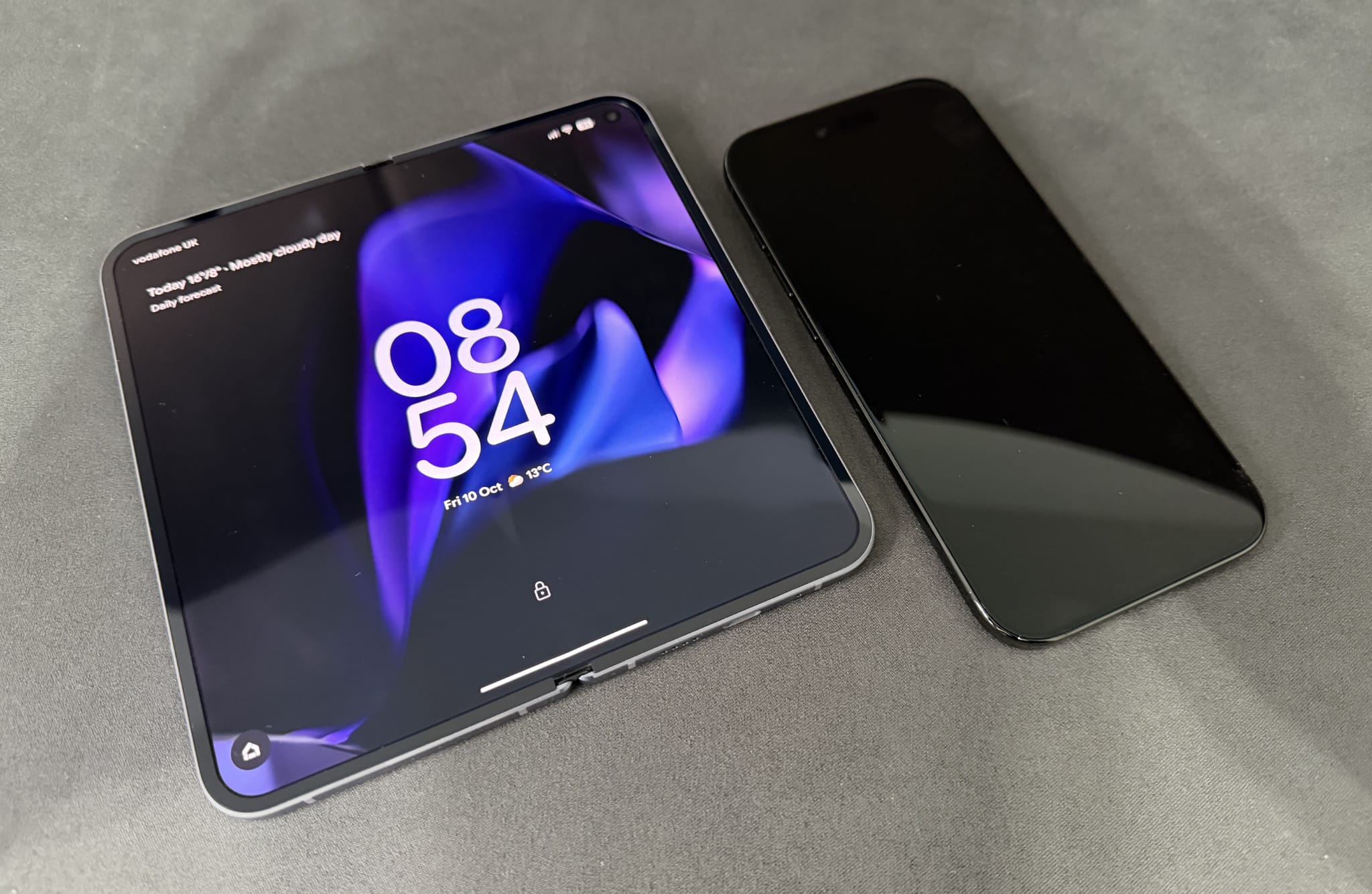
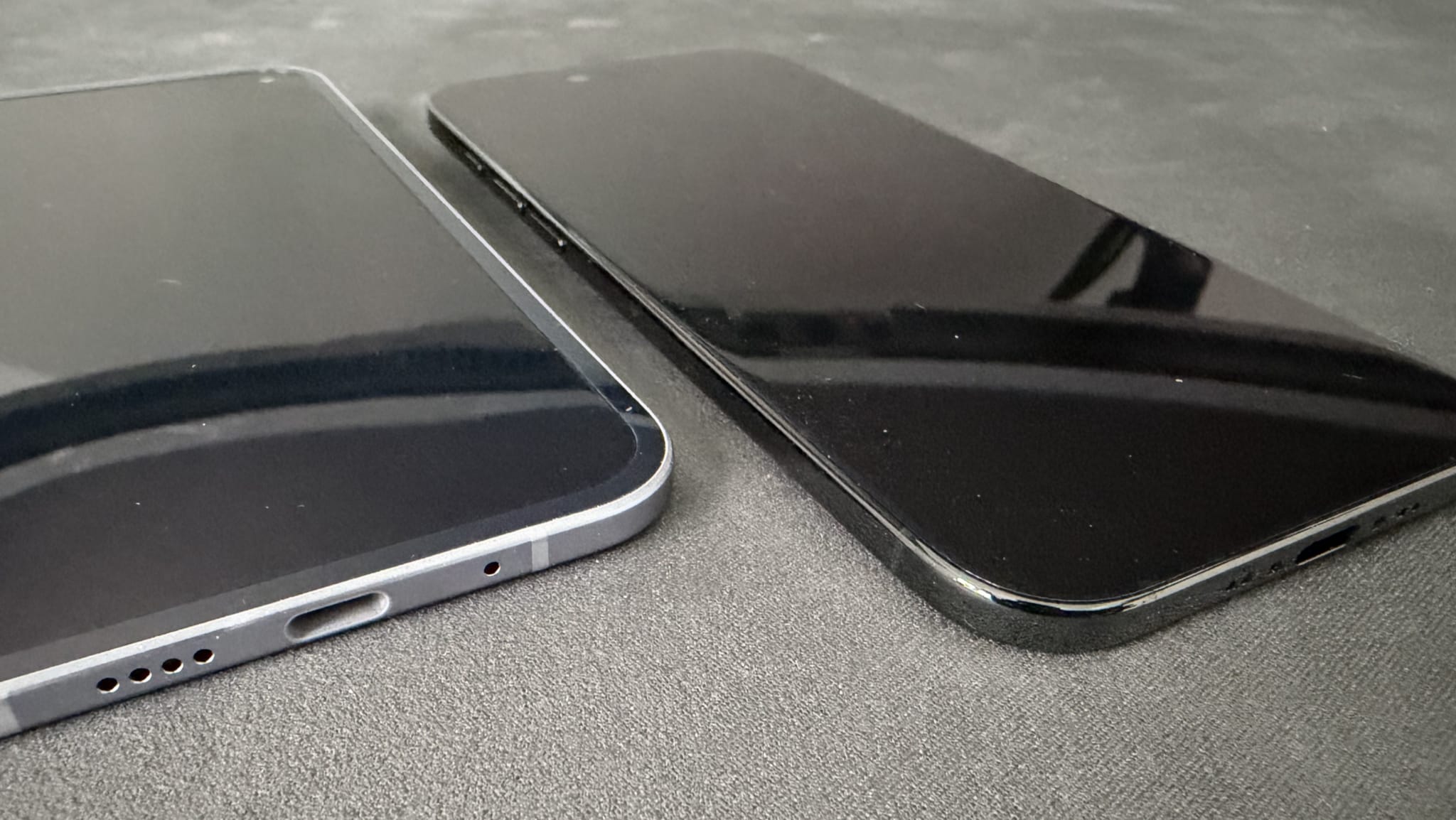
As a reference, the photo below compares the Google Pixel 10 Pro Fold alongside the Apple iPhone Air. It is easy to see how you could adapt the current Apple iPhone Air design to include a folding display.
The release of a folding smartphone from Apple would be a major milestone, as Apple is still the most well-recognised and powerful brand within the smartphone market.
Their presence (for many) would validate the viability of the form factor, whilst also increasing consumer awareness for folding smartphones thanks to their colossal marketing power.
It would also deliver much-needed competition. For example, although Samsung, Google, OnePlus, and Motorola make folding smartphones, they are all fundamentally Android-based, delivering a very similar experience.
With Apple, the consumer would be offered something different, forcing every existing player to up their game, specifically in areas where Apple are known to be strong (e.g., Cameras).
As with all competition, it will also likely unlock more aggressive pricing, with some manufacturers taking additional risks to secure early market share.
As an advocate for folding smartphones, I am extremely excited to see how this evolves. It will also be interesting to see if the sheer potential for Apple to enter the market triggers a proactive response from any of the existing players, specifically Samsung and Google.
For the latest information regarding Android, including the current state of folding phones, I would recommend Android Authority.