WinBoat
Is this the year of the Linux desktop?
I have been using Linux since 2001 and on many occasions have felt it was close to becoming a viable mainstream operating system for general consumers, specifically the more mature distributions, such as Ubuntu and my personal choice, Fedora.
A great example of the progress is gaming, which, thanks to the great work from Valve and the open source community, is now very feasible on Linux, using the Proton translation layer.
Except for competitive multiplayer games, which require Windows-specific anti-cheat software, it works surprisingly well, even delivering better performance than Windows, thanks to the lower resource impact and ability to pre-cache assets, etc.
In addition, the most common software (e.g., productivity, collaboration) is now available for Linux or has an open source alternative. For example, I maintain my list of common software, with options available across Windows, macOS and Linux.
Unfortunately, even with all of this progress, there are still a few specific applications that individuals rely upon. Most notably, gaming and access to specific Windows applications, such as Microsoft Office and Adobe Photoshop.
Although there are alternatives, such as LibreOffice, they are not perfect and do not have feature parity with their proprietary Windows counterparts. These applications are also not compatible with translation layers, such as WINE.
To overcome this issue, users can either dual-boot Windows (not ideal) or leverage virtualisation. For example, I use KVM. However, it requires effort to install and configure.
Introducing WinBoat, a new Linux application that aims to run Windows apps on Linux with seamless integration.
It uses a combination of KVM and Docker, which sounds scary, but uniquely automates the installation and configuration.
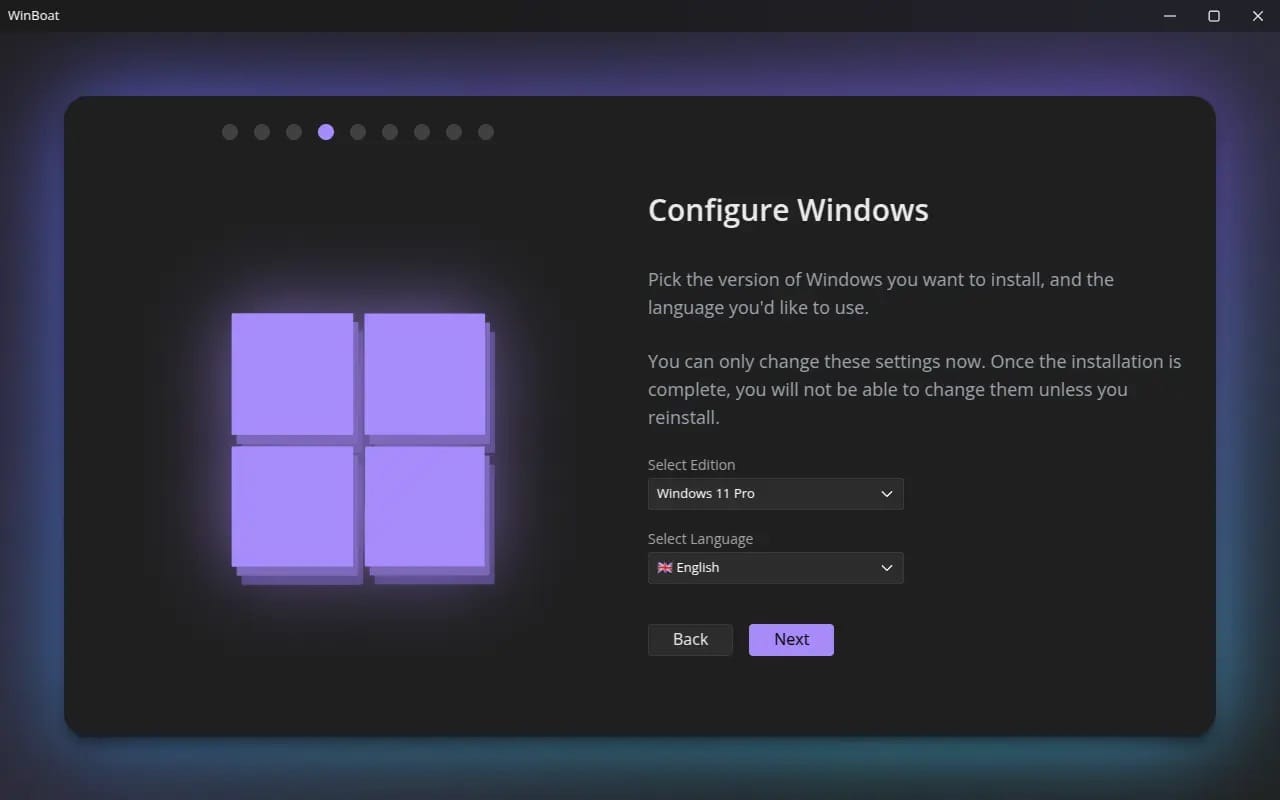
Once installed and configured, it provides a user interface to navigate and open Windows applications, with pre-configured file sharing access to provide access to your Linux filesystem.
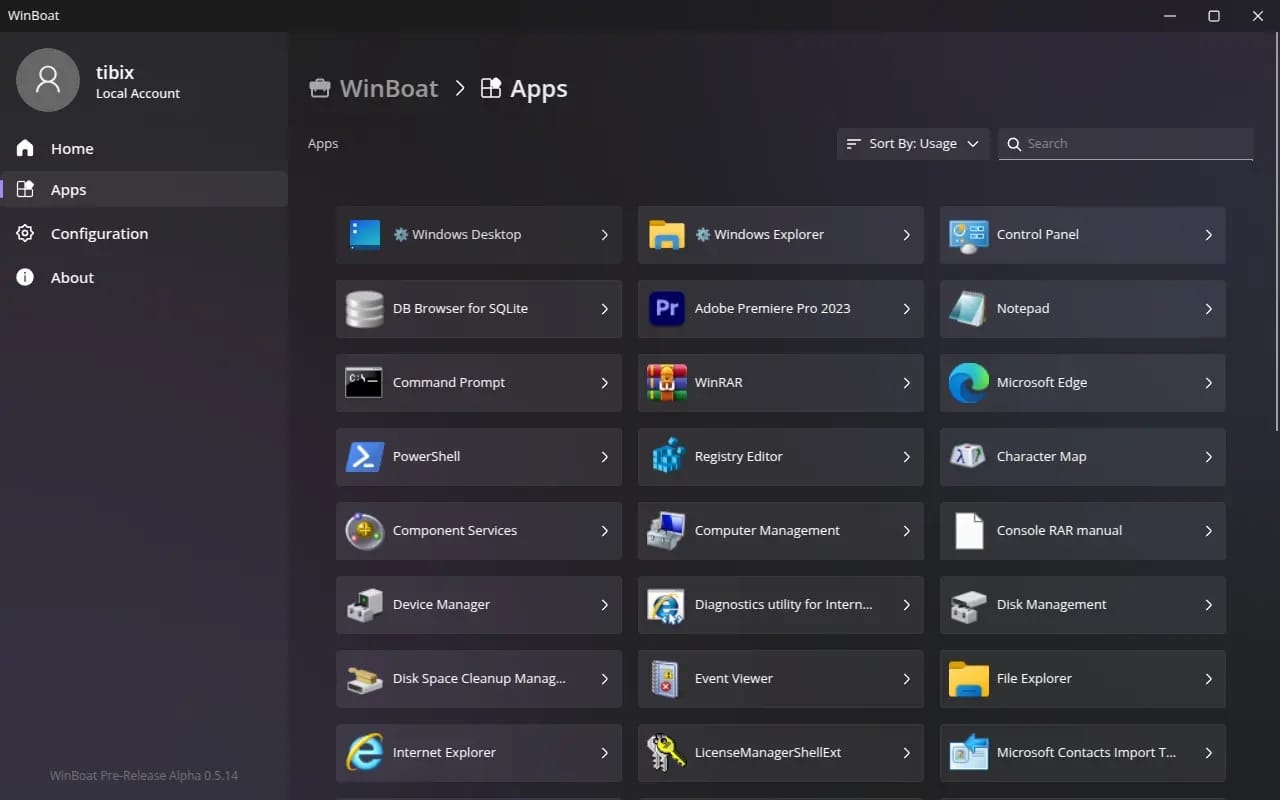
As this is still a virtual machine, accessed via RDP, you can also load the full Windows operating system to install new applications.
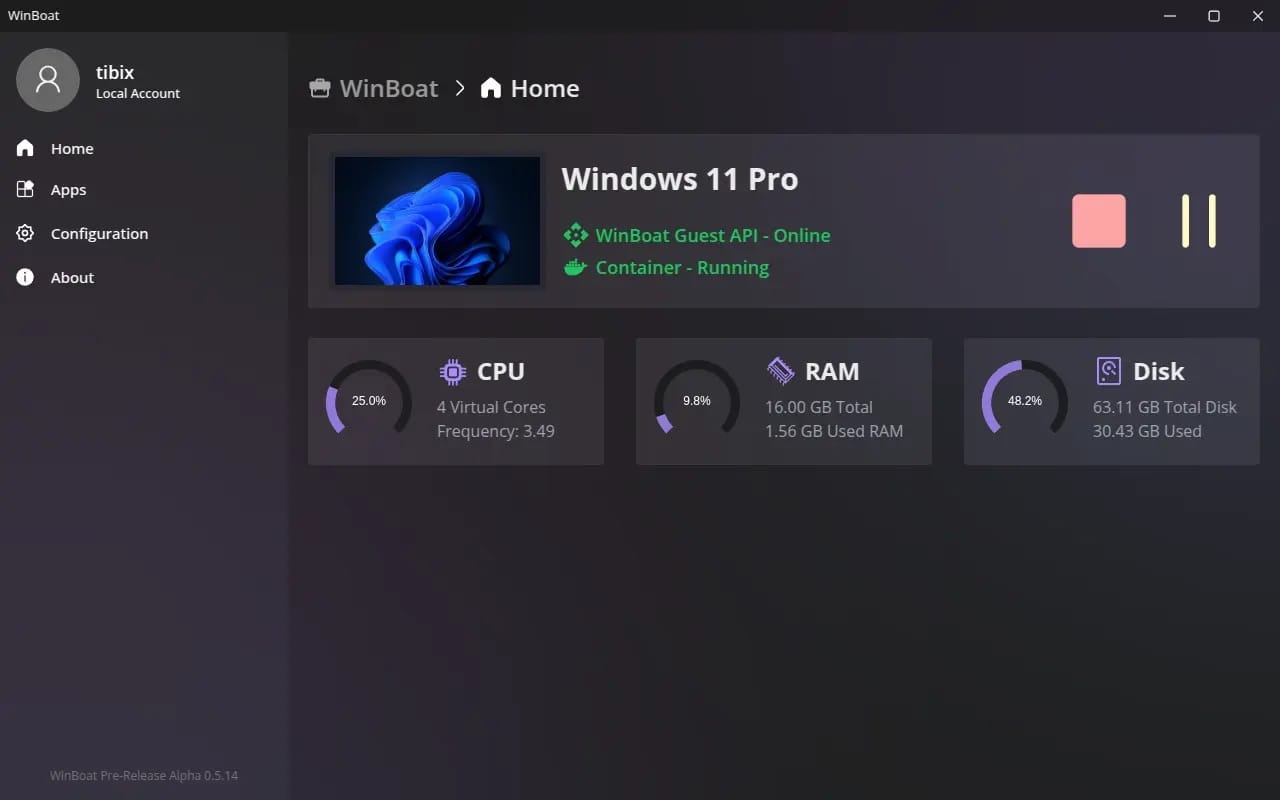
Although WinBoat is currently in beta (pre-release), I have been testing on Fedora and have been very impressed. There are still some rough edges and missing features. However, the overall value proposition is excellent, providing a simple and reliable way to run Windows applications on Linux, with minimal effort.
I hope this project continues to mature and grow, as I see this as one of the final steps required to unlock mainstream adoption of Linux on the desktop.