Claude Code
I have previously written about my adventures with AI coding assistants and vibe coding.
Although there are still many sceptics, I remain convinced AI will revolutionise software development.
The space is evolving rapidly, with new AI models, tools, frameworks and protocols being released frequently, helping to increase the trust and confidence in code produced by AI.
Don’t get me wrong, there are still many social, ethical and security questions left unanswered. However, for small passion projects (running locally), the ability to develop fully working software at speed is game changing.
For example, my son is preparing to join a new school, which may require him to commute via bus (actually, multiples buses). I wanted to understand the reliability of the bus services he would be taking, alongside the routine for vehicle changes, etc.
This information is loosely available online. However, not specific to the services I wish to track and not necessarily focused on the data I require to assess reliability.
As a result, I turned to Claude Code from Anthropic (which has become my favourite AI coding assistant). I provided a simple prompt with some basic requirements and technical specification. This included the online locations regarding the required data.
Within 30 minutes, Claude Code had successfully produced a fully working web application (written in Python, running locally) that tracked the relevant buses, populating and visualising data that allowed me to review timings, reliability and the specific buses in service.
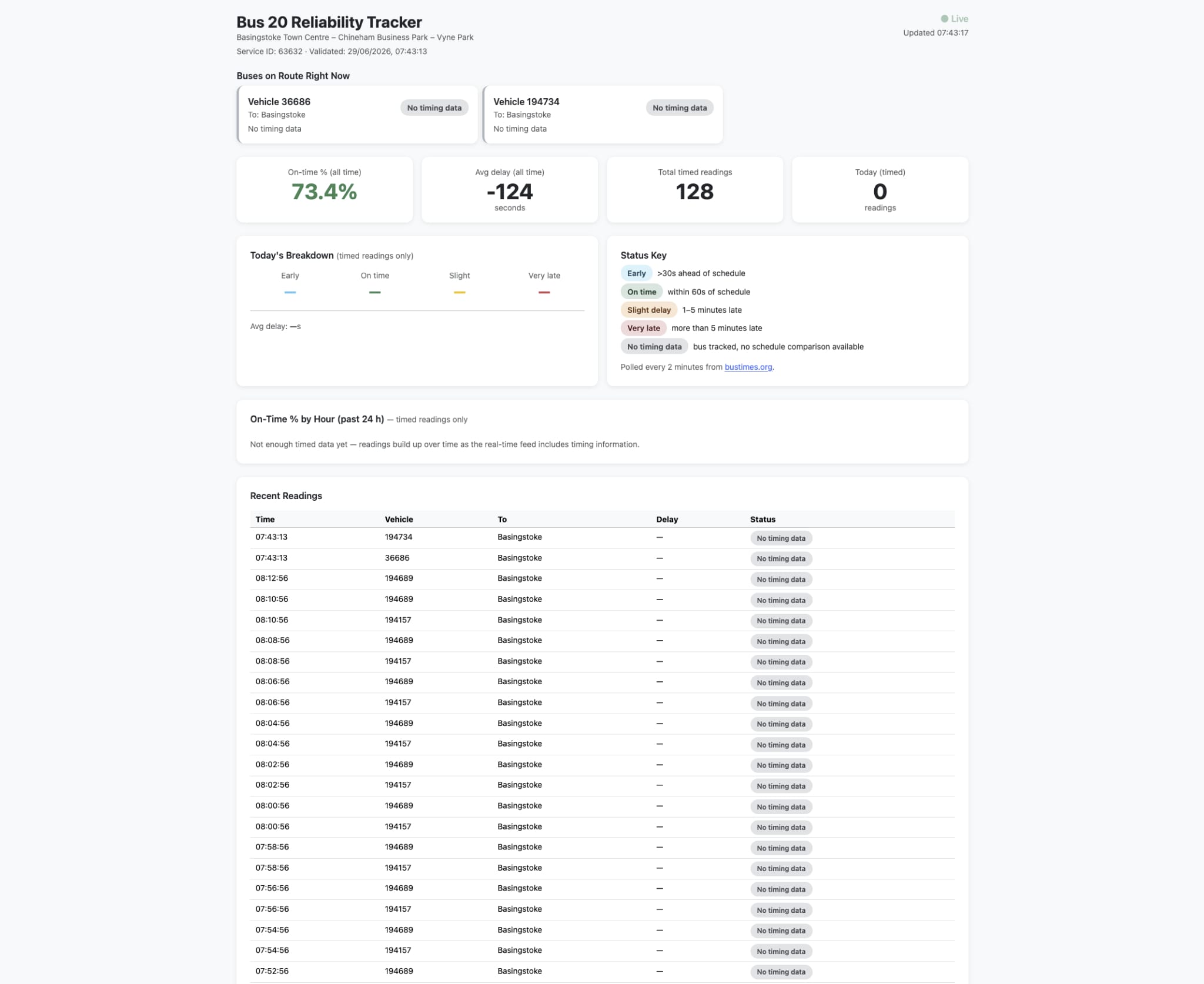
This very small example highlights how AI coding assistants and vibe coding is democratising software development. The process is moving from specialist to industrialised (commodity), which fundamentally changes the economics, specifically skillset availability, opportunity cost, etc.
For example, before AI coding, I would never have developed this application. The time and effort to get it working would outweigh the value, even when using code, frameworks and libraries already available.
In short, the barrier to entry for software development has fundamentally changed, which I expect to have a profound effect for personal development and (eventually) professional use cases.