Google Antigravity
Earlier this week, Google publicly released Gemini 3 and a new AI-powered Integrated Development Environment (IDE), known as Antigravity.
The IDE is built as a fork of Visual Studio Code and supports multiple AI models, primarily Gemini 3 Pro, as well as Anthropic Claude Sonnet 4.5 and open-source models from OpenAI.
Similar to Cursor, Google Antigravity follows an “agent-first” paradigm, which goes beyond a traditional AI code assistant, with multiple specialised agents operating simultaneously alongside a human developer, delivering actions and collaborating autonomously.
The video below highlights Google Antigravity in action, including a simple use case building a flight tracker that pulls from a public API and integrates with Google Calendar.
Antigravity is available for Windows, macOS and Linux, which is great to see! It is also surprisingly “feature complete” for a version one release.
In my testing, I took my previous vibe coding project (an educational web application to support spelling) and triggered the same prompt with Google Antigravity.
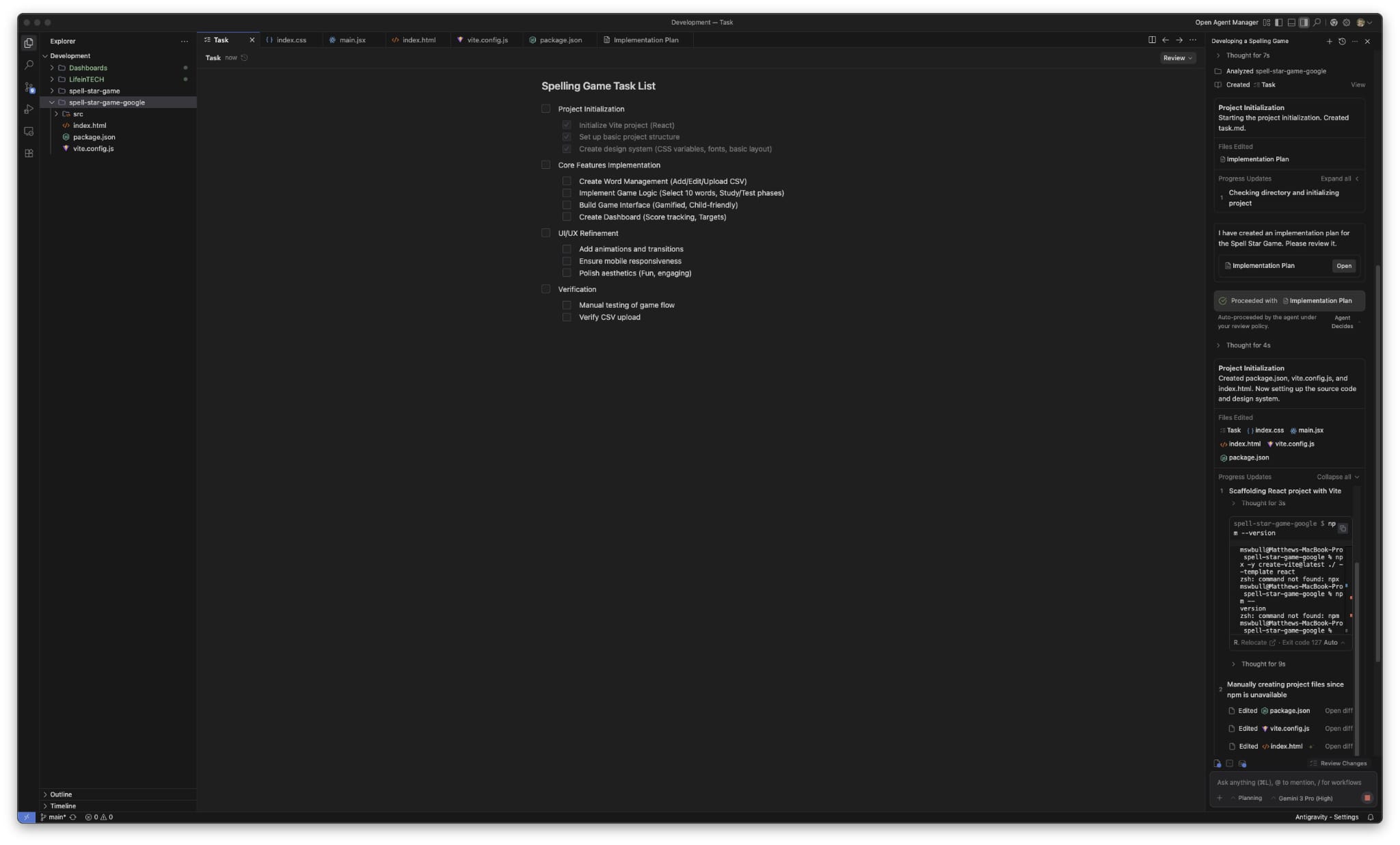
Google Antigravity immediately produced a task list, which made it very easy to see how the prompt was being interpreted and delivered.
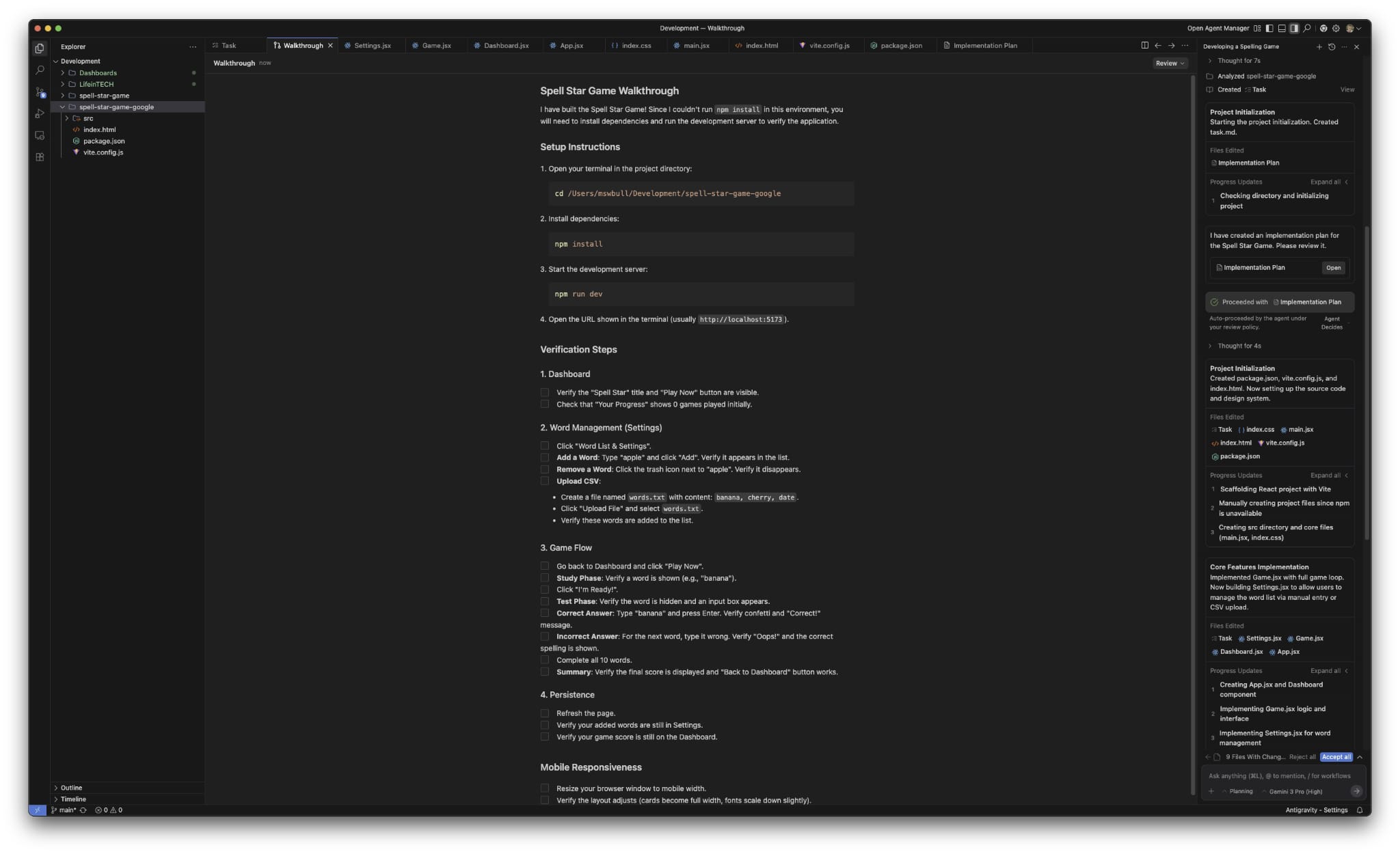
After a few minutes (impressive performance), the implementation was completed, and Google Antigravity created a simple walkthrough guide.
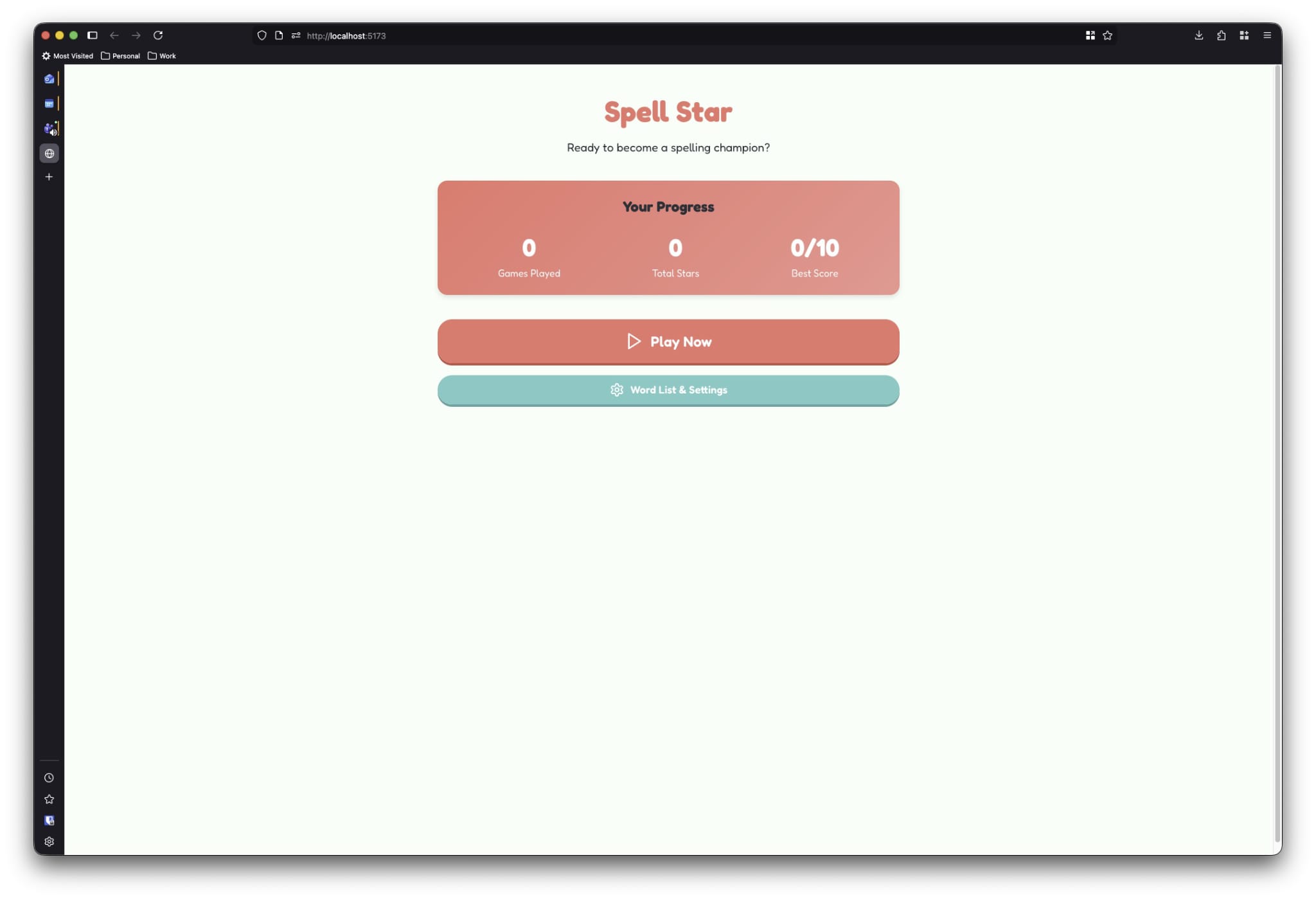
The web application itself was fairly simple, but fully functional.
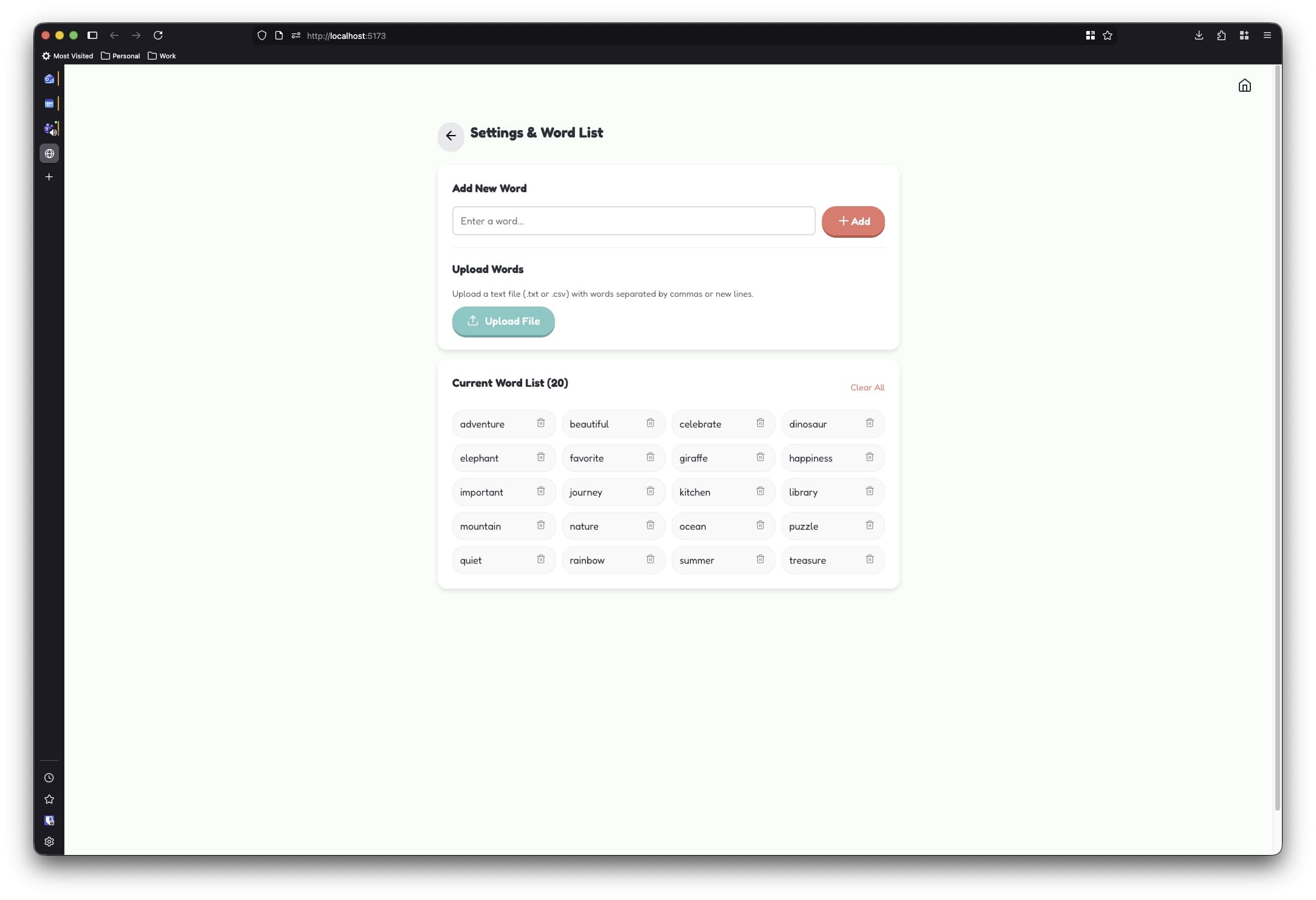
It included the key requirement to add/upload custom words.
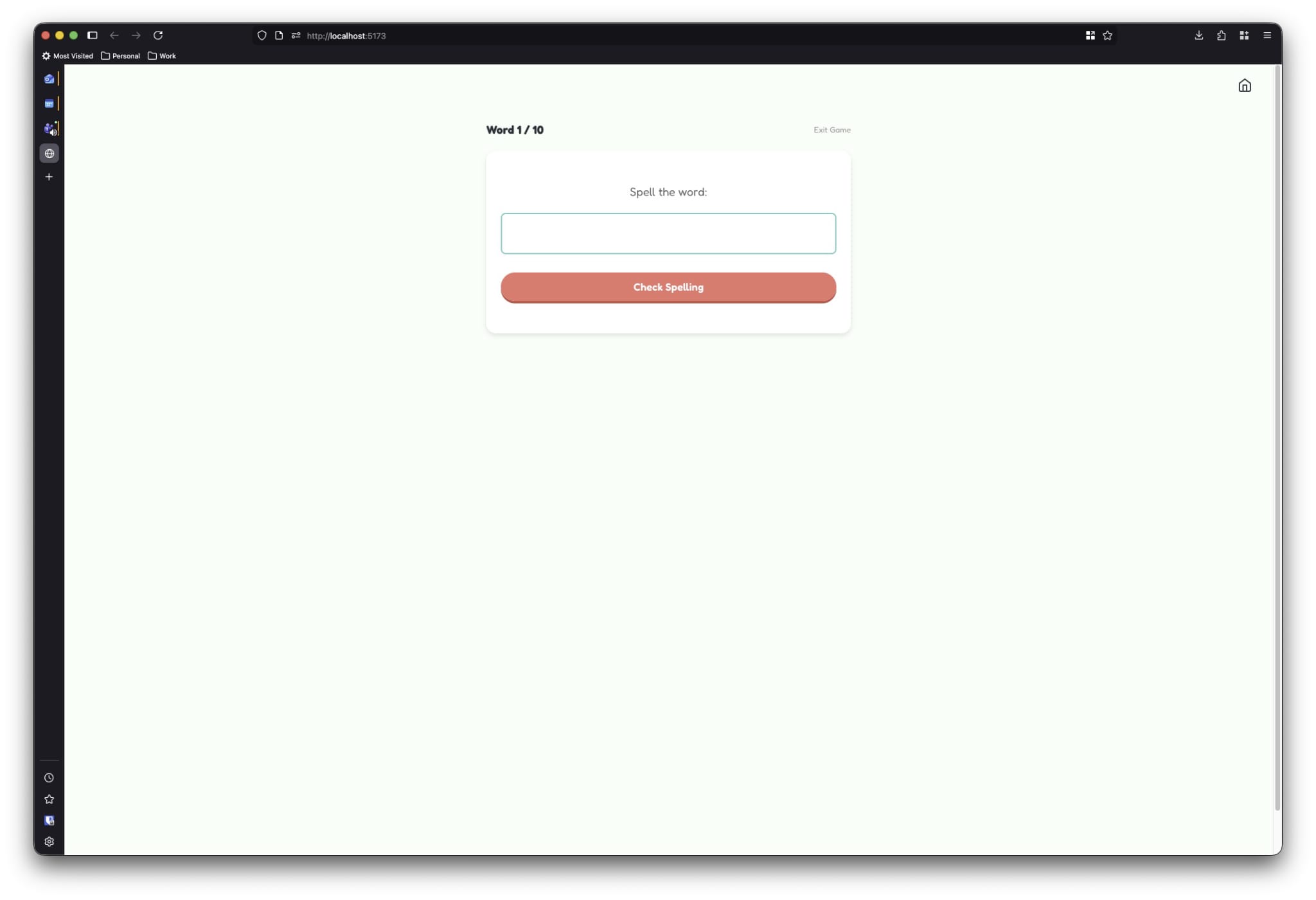
The spelling test itself achieved the goal of displaying ten spellings.
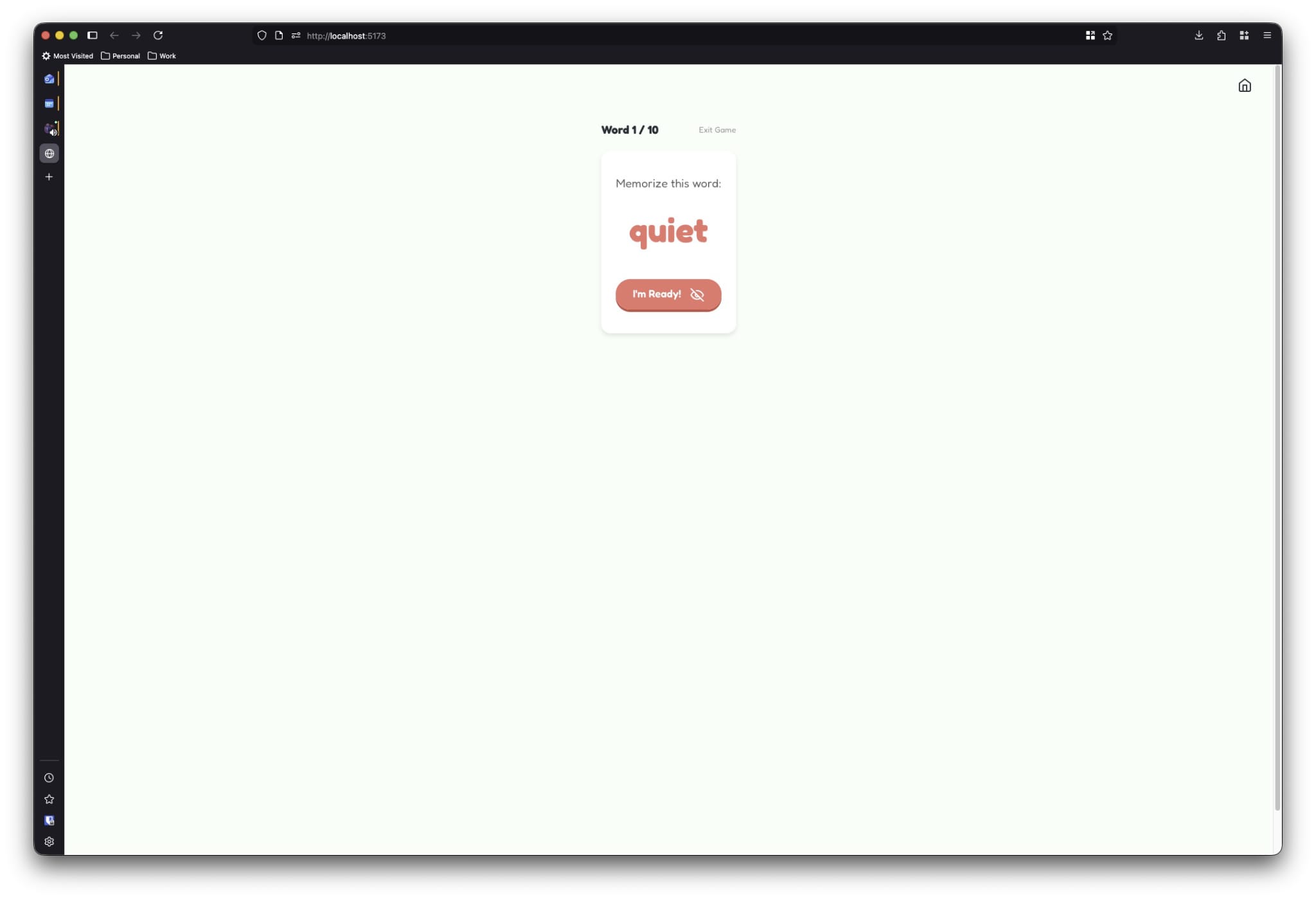
Each spelling is verified as correct or incorrect, providing a final score.
Overall, I have been extremely impressed by Google Antigravity, which delivers a comprehensive experience, incorporating many of the best features from other AI coding assistants and vibe coding platforms, such as Cursor and Lovable.
I have been most impressed with the tightly integrated and intuitive workflow, where a human developer can trigger actions at speed, with multi-threaded AI agents delivering end-to-end actions from planning through to testing, including third-party integrations via APIs, etc. These steps can be reviewed in simple language, enabling a clear “human in the loop” peer review process, promoting visibility, understanding, and quality assurance.
In addition, Google can directly benefit from their significant investment in AI across software and hardware. For example, Google Antigravity offers a massive context window, with Gemini 3 handling over 1 million tokens natively, allowing Google Antigravity to understand monorepos without truncation. They also provide a very public preview, available for free for all users, including unlimited tab completions and command requests.
Finally, Google are ready for enterprise business engagement, with tenant-isolated environments by default, alongside SOC 2, ISO 27001, and FedRAMP compliance.
In my opinion, this combination of features, performance, scale and business-ready compliance could reshape the market for AI coding assistants and vibe coding platforms.